

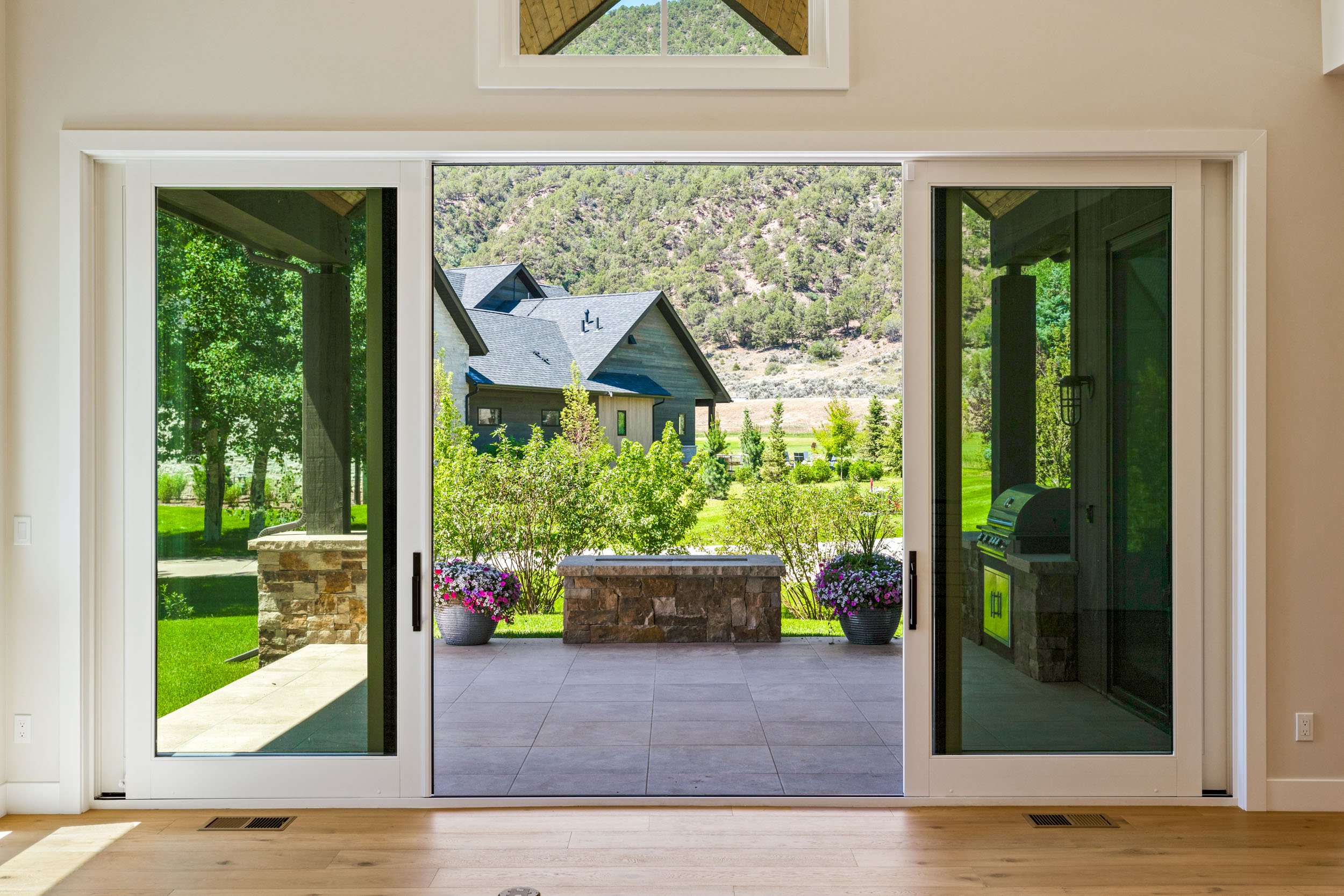
Have you ever noticed how certain rooms in your home just feel better than others? Maybe it's the kitchen that gets all the morning sun or the living room where you can sit and watch the light change in the afternoon.
Natural light has a lot to do with how we experience our homes. It affects everything from our mood and energy levels to how we see colors and use different spaces throughout the day.
When building a custom home, it's worth thinking about sunlight long before choosing paint colors or light fixtures. Where the windows go, how the house sits on the property, and which rooms receive the most daylight can all make a difference in how much you enjoy living there.
The short version: Natural light in custom homes improves mood, sleep, and comfort, and it can lower energy use when it's planned well. The key is thoughtful window placement, the right mix of window types, and shading that fits your lot, which is easiest to get right before construction begins.
How Does Natural Light Affect Your Mood?
Natural light can improve your mood, help regulate your sleep-wake cycle, and influence how alert you feel during the day. Research has linked daylight exposure to better mood and sleep quality.
Most of us feel better after spending some time outside on a sunny day. Bringing more of that daylight indoors can have benefits, too.
But you don't need to know the science to appreciate a sun-filled room. Think about having breakfast in a bright kitchen instead of one where you need to turn on every light. Or working from a home office with a window overlooking the yard rather than staring at four walls all day.
In Colorado, we're fortunate to enjoy plenty of sunny days, even in winter. Taking advantage of that sunshine is one of the simplest ways to make a home more enjoyable.
Why Is Window Placement So Important in a Custom Home?
Window placement matters just as much as window size because the direction a window faces determines when and how much sunlight a room gets. More windows don't automatically mean a brighter, better home.
East-facing windows bring in the morning sun, which can be wonderful for kitchens and breakfast areas.
South-facing windows generally provide the most consistent daylight throughout the day, especially during the winter months.
West-facing windows can capture beautiful sunsets, although they can also make rooms uncomfortably warm in the summer.
That's why window placement should be part of the conversation early in the custom home design process.
A good design considers how the sun moves across the property, which views are worth capturing, and where a little shade might actually be welcome. In some cases, a smaller window in the right location can do more for a room than an oversized window in the wrong one.
Can Natural Light Make a Room Feel Bigger?
Yes. Natural light makes it easier to see a space's full dimensions and creates a stronger connection between the indoors and outdoors, which makes rooms feel more open. This is especially useful in rooms that don't have a lot of square footage.
If you've ever walked into a small room with large windows and been surprised by how open it feels, you've seen this firsthand.
Large picture windows aren't the only option:
Skylights are great for bathrooms, hallways, and other areas where traditional windows might not work.
Clerestory windows, positioned higher on the wall, bring in additional daylight while keeping the room private.
Glass doors are particularly useful in homes designed around outdoor living. They allow sunlight to reach farther into the house while making patios and other outdoor areas feel like an extension of the living space.
The trick is choosing the right combination for the home rather than trying to put as much glass as possible into every room.
How Does Natural Light Affect Your Interior Design Choices?
Natural light changes how paint, flooring, and countertops look throughout the day, so finishes should be chosen in daylight. A paint color that looks warm and creamy in one room might appear gray in another.
One thing homeowners sometimes discover during construction is how differently materials can look depending on the light. Hardwood floors can look lighter or darker depending on the time of day. Even countertops can change in appearance as sunlight moves across them.
This is particularly important when selecting finishes for a custom home. It's always a good idea to look at material samples in natural daylight, ideally at different times of day, before making final decisions.
Natural light can also bring out details that might otherwise go unnoticed, like the texture of natural stone or the grain in a wood ceiling.
Of course, not every room needs to be bright all day. Bedrooms, media rooms, and other spaces may benefit from softer lighting or more control over how much sunlight comes in. The goal is to make the lighting work for the room and how you'll use it.
Does Natural Light Make a Home More Energy Efficient?
It can. Daylight reduces the need for electric lighting during the day, and in Colorado, south-facing windows can help bring warmth into the home during colder months. Good design makes all the difference, though.
There's a downside to consider: large windows that receive intense afternoon sunlight can also increase indoor temperatures, making the air conditioning work harder.
This is where thoughtful planning pays off. Energy-efficient windows, well-placed overhangs, and appropriate shading can help homeowners enjoy natural light without sacrificing comfort.
It's also important to consider how windows work with the home's insulation, heating, and cooling systems. A home that feels comfortable year-round is much more valuable than one that looks beautiful in photographs but gets too hot every summer afternoon.
How Should Natural Light Factor Into Your Custom Home Plans?
Start with how you actually spend your time at home, then let the lot and its orientation guide where daylight goes. Do this before you finalize the floor plan.
Do you love having coffee in the morning sun? Would you like a bright home office? Is your living room where everyone gathers at the end of the day? These everyday habits can help determine which rooms should receive the most natural light.
The property itself will also influence what's possible. A wooded lot may require a different approach than an open homesite with mountain views. Neighboring homes, existing trees, and the direction the property faces all need to be considered.
And while sunlight is important, so is privacy. You probably don't want an enormous window in the bathroom just because it happens to face south.
A custom home gives you the opportunity to work through these decisions before construction begins, instead of trying to solve lighting problems after you've moved in.
Building a Custom Home That Makes the Most of Natural Light
Some of the best things about a home aren't necessarily the features that stand out during a tour.
They're the little things you appreciate after living there for a while. A sunny spot where you like to read. A kitchen that feels bright in the morning. A living room with windows that frame the view without making the space too hot in July.
Those details come from taking the time to think about how a home will actually be used.
At Bella Villa Builders, we believe custom home design should start with the way you want to live. Natural light is just one piece of that process, but it's an important one.
With the right planning, you can create a home that takes advantage of Colorado's sunshine while remaining comfortable, functional, and beautiful throughout the year. If you're planning a custom home, contact Bella Villa Builders to talk through how daylight can shape your floor plan.